About Us
Ningbo Kaxite Sealing Materials Co., Ltd.
Ningbo Kaxite Sealing Materials Co., Ltd. design, manufacture and supply a wide range of essential sealing and insulation components to many industries where
equipment failure is not an option. Products include gaskets, cut gaskets, braided gland packing, PTFE product, gasket
sheet materials, heat insulation material, expansion joint and sight glass, all vital to a modern industrial society.
We ensure that white goods manufacturers, petrochemical and chemical plants, power stations, cement industries ,
the automotive industry, pipeline & boiler manufacturers and other key industries function effectively by supplying only the
best materials.
ALL Category
EXPLORE PRODUCTS Services

What are Spiral Wound Gaskets?
A Spiral Wound Gasket is the most common metallic gasket used in industrial plants. A properly selected and installed spiral wound gasket can withstand high temperatures and pressures, preventing leaks throughout their intended lifespan.
A spiral wound gasket consists of three elements:
Outer ring. Made of carbon steel, this outer ring is sometimes called the centering ring or guide ring. It’s used to center the gasket when you insert it into a bolted flange joint.
Inner ring. The inner ring is pivotal for the gasket because it prevents windings from buckling inside the pipe. When a gasket buckles, parts of it get sucked into the pipe. From there, pieces of the gasket will typically flow through the pipeline until they get caught on something. Often, they’ll get wrapped around rotating equipment like a pump. The mess that results is known as a “bird’s nest.” Inner rings help you avoid this problem.
Sealing element. As you might guess from the name, the sealing element creates the seal that prevents leaks. A sealing element encompasses both windings and filler material. Most spiral wound gaskets in oil and gas refineries will use a flexible graphite filler material rated for high temperatures. A flexible graphite filler also allows the gasket to be more tolerant of flange distortion and joint misalignment. Polytetrafluoroethylene (PTFE) is another common filler material. PTFE is not rated for high-temperature applications, however. Meanwhile, most winding materials in refineries will be stainless steel and monel.
A Spiral Wound Gasket is the most common metallic gasket used in industrial plants. A properly selected and installed spiral wound gasket can withstand high temperatures and pressures, preventing leaks throughout their intended lifespan.
A spiral wound gasket consists of three elements:
Outer ring. Made of carbon steel, this outer ring is sometimes called the centering ring or guide ring. It’s used to center the gasket when you insert it into a bolted flange joint.
Inner ring. The inner ring is pivotal for the gasket because it prevents windings from buckling inside the pipe. When a gasket buckles, parts of it get sucked into the pipe. From there, pieces of the gasket will typically flow through the pipeline until they get caught on something. Often, they’ll get wrapped around rotating equipment like a pump. The mess that results is known as a “bird’s nest.” Inner rings help you avoid this problem.
Sealing element. As you might guess from the name, the sealing element creates the seal that prevents leaks. A sealing element encompasses both windings and filler material. Most spiral wound gaskets in oil and gas refineries will use a flexible graphite filler material rated for high temperatures. A flexible graphite filler also allows the gasket to be more tolerant of flange distortion and joint misalignment. Polytetrafluoroethylene (PTFE) is another common filler material. PTFE is not rated for high-temperature applications, however. Meanwhile, most winding materials in refineries will be stainless steel and monel.

What is Braided Packing?
Braided packing is a type of mechanical seal used in various industrial applications to prevent leakage of fluids or gases in pumps, valves, and other equipment. It is composed of multiple strands of material braided together to form a flexible and durable seal. This packing is essential for maintaining efficiency and safety in operations involving high pressures, temperatures, or corrosive environments. Industries such as oil and gas, chemical processing, water treatment, and manufacturing rely on braided packing for its reliability and performance. The versatility of braided packing allows it to be customized with different materials and designs to meet specific operational needs, making it a critical component in many systems.
Key Features of Braided Packing
- High tensile strength and durability for long-lasting performance.
- Resistance to extreme temperatures, ranging from -100°F to 2000°F depending on the material.
- Excellent chemical compatibility with various fluids, including acids, alkalis, and solvents.
- Low friction coefficient to reduce wear on equipment shafts and prolong service life.
- Flexible and easy to install, allowing for quick maintenance and replacements.
- Available in multiple braid styles, such as square, round, or interlocked, to suit different applications.
- Customizable sizes and materials to meet specific industry standards and requirements.
Common Materials Used in Braided Packing
The material selection for braided packing depends on the application's demands, including temperature, pressure, and chemical exposure. Here are some widely used materials:
- Graphite: Ideal for high-temperature applications up to 2000°F, offering excellent thermal conductivity and chemical resistance.
- PTFE (Teflon): Suitable for corrosive environments and temperatures up to 500°F, with low friction and non-stick properties.
- Aramid Fibers (e.g., Kevlar): Provides high strength and abrasion resistance for demanding conditions up to 800°F.
- Carbon Fiber: Used in high-pressure systems, offering good thermal stability and mechanical strength.
- Glass Fiber: Effective for moderate temperatures and chemical resistance, often used in water treatment.
- Cotton or Flax: Economical options for low-temperature and non-corrosive applications, such as in food processing.
Technical Specifications Table
Below is a table summarizing the key parameters for different types of braided packing based on material composition. This data helps in selecting the right product for your needs.
| Material Type | Temperature Range (°F) | Pressure Range (psi) | pH Range | Applications |
|---|---|---|---|---|
| Graphite | -100 to 2000 | Up to 3000 | 0-14 | High-temperature valves, pumps |
| PTFE | -320 to 500 | Up to 1500 | 0-14 | Chemical processing, food industry |
| Aramid | -60 to 800 | Up to 2500 | 2-12 | Mining, oil and gas equipment |
| Carbon Fiber | -100 to 1000 | Up to 5000 | 1-13 | Aerospace, automotive systems |
| Glass Fiber | -40 to 1000 | Up to 1000 | 4-10 | Water treatment, general industry |
| Cotton/Flax | -20 to 250 | Up to 500 | 5-9 | Low-pressure seals, agricultural machinery |
Installation Guidelines for Braided Packing
Proper installation is crucial for the effectiveness of braided packing. Follow these steps for best results:
- Clean the shaft or stem thoroughly to remove any old packing debris or contaminants.
- Measure the required length of packing, ensuring it fits snugly around the shaft without gaps.
- Cut the packing at a 45-degree angle to allow for better sealing and easier installation.
- Install the packing rings one at a time, staggering the joints to prevent leakage paths.
- Use a packing tool to press each ring firmly into place, avoiding over-tightening which can cause excessive wear.
- After installation, run the equipment briefly to seat the packing, then check and adjust the tension as needed.
Always refer to the manufacturer's instructions for specific details related to your braided packing product.
FAQ Section
What is the typical lifespan of braided packing?
The lifespan varies based on application conditions, such as temperature, pressure, and media. Under ideal conditions, it can last from several months to years. Regular maintenance and proper installation can extend its life.
How do I choose the right braided packing material for my application?
Consider factors like operating temperature, chemical compatibility, pressure, and shaft speed. Consult the technical specifications table above or seek advice from a specialist to match the material to your needs.
Can braided packing be used in potable water systems?
Yes, but only with materials certified for potable water, such as PTFE or FDA-approved compounds, to ensure no contamination occurs.
What are the signs that braided packing needs replacement?
Common indicators include increased leakage, higher operating temperatures, excessive friction, or visible wear on the packing or shaft. Regular inspections help detect issues early.
Is braided packing environmentally friendly?
Many modern braided packing materials are designed to be eco-friendly, with options like biodegradable fibers or recyclable compounds. Always check the product specifications for environmental certifications.
How does braided packing compare to other sealing methods?
Braided packing offers flexibility, ease of maintenance, and cost-effectiveness compared to mechanical seals or gaskets, especially in applications where frequent adjustments are needed.
Can braided packing handle abrasive media?
Yes, materials like aramid or carbon fiber are resistant to abrasion and are suitable for applications involving slurries or particulate matter.
What maintenance is required for braided packing?
Regular checks for leakage, tension adjustments, and lubrication (if recommended) are essential. Replace packing when signs of wear appear to prevent equipment damage.

What Are Compression Sheets?
Compression sheets are innovative bedding solutions designed to enhance sleep quality by applying gentle, consistent pressure across the body. This technology, often used in therapeutic settings, has been adapted for home use to promote relaxation, reduce anxiety, and improve overall comfort. Made from high-quality, breathable materials, these sheets provide a snug fit that mimics the feeling of a comforting hug, helping users achieve deeper, more restful sleep. Ideal for individuals with sensory sensitivities, insomnia, or those simply seeking a better night's rest, compression sheets are becoming a popular choice in modern sleep accessories.
Key Features of Our Compression Sheets
Our compression sheets stand out due to their advanced design and premium materials. Here are some standout features:
- Material Composition: Crafted from a blend of 95% cotton and 5% spandex for optimal stretch and comfort.
- Breathability: Enhanced with moisture-wicking technology to keep you cool and dry throughout the night.
- Durability: Reinforced stitching and high-quality fibers ensure long-lasting use, even after multiple washes.
- Eco-Friendly: Made from sustainably sourced materials, reducing environmental impact.
- Easy Maintenance: Machine washable and quick-drying for convenience.
Detailed Product Specifications
To help you make an informed decision, below is a table outlining the technical specifications of our compression sheets across different sizes.
| Size | Dimensions (Inches) | Weight (Ounces) | Fabric GSM (Grams per Square Meter) | Color Options |
|---|---|---|---|---|
| Twin | 39 x 75 | 12 | 180 | Blue, Gray, White |
| Full | 54 x 75 | 16 | 185 | Blue, Gray, White, Beige |
| Queen | 60 x 80 | 20 | 190 | All Colors |
| King | 76 x 80 | 24 | 195 | All Colors |
| California King | 72 x 84 | 25 | 200 | Gray, White |
Benefits of Using Compression Sheets
Using compression sheets can transform your sleep experience. The gentle pressure helps stimulate the production of serotonin, a hormone that promotes feelings of well-being and relaxation. This can lead to reduced tossing and turning, allowing for more uninterrupted sleep. Additionally, the sheets' breathable fabric regulates temperature, preventing overheating or chilling. For people with conditions like anxiety, ADHD, or autism, the deep pressure touch can provide a calming effect, similar to weighted blankets but with the convenience of a sheet. Regular use may improve sleep patterns and overall mental health.
How to Choose the Right Compression Sheet
Selecting the perfect compression sheet depends on several factors, including size, material preference, and intended use. Consider the mattress dimensions to ensure a proper fit—our size chart above can guide you. If you have sensitive skin, opt for organic cotton blends. For those in warmer climates, prioritize sheets with higher breathability ratings. It's also wise to read user reviews and check for certifications like OEKO-TEX, which guarantees the absence of harmful substances.
Care and Maintenance Instructions
To prolong the life of your compression sheets, follow these care guidelines: machine wash in cold water with mild detergent, avoid bleach or fabric softeners, and tumble dry on low heat or air dry. Do not iron directly on the elastic parts. Proper maintenance will preserve the elasticity and fabric integrity, ensuring continued comfort and performance.
Frequently Asked Questions (FAQ)
What is the ideal pressure level for compression sheets?
The ideal pressure level varies by individual preference, but most sheets provide light to medium pressure, typically between 5-15 mmHg, which is safe and comfortable for nightly use without restricting movement.
Can compression sheets help with anxiety?
Yes, many users report reduced anxiety due to the deep pressure stimulation, which can calm the nervous system and promote relaxation, similar to the effects of a weighted blanket.
Are these sheets suitable for all seasons?
Absolutely. Our compression sheets are designed with breathable, moisture-wicking materials that adapt to different temperatures, keeping you cool in summer and warm in winter.
How do I know what size to buy?
Measure your mattress dimensions (length, width, and depth) and refer to our size chart above. It's recommended to choose a size that matches your mattress closely for the best fit.
Can children use compression sheets?
Yes, but supervision is advised for young children. Ensure the sheet is not too tight and that the child can remove it easily if needed. Always consult a pediatrician if there are underlying health conditions.
Do compression sheets lose elasticity over time?
With proper care, high-quality compression sheets maintain their elasticity for years. Avoid high heat washing and drying, and follow the care instructions to prevent premature wear.
Are there any medical contraindications?
Individuals with circulatory issues, respiratory problems, or certain skin conditions should consult a healthcare provider before use, as compression might not be suitable for everyone.
How often should I replace my compression sheets?
Depending on usage and care, replacement is typically needed every 2-3 years. Signs include reduced elasticity, fading, or fabric thinning.
Can I use these sheets with a mattress topper?
Yes, but ensure the combined height does not exceed the sheet's designed depth. Check the size chart for compatibility to avoid stretching or poor fit.
Do you offer hypoallergenic options?
Our sheets are made from hypoallergenic materials, free from common irritants, making them suitable for people with allergies or sensitive skin.

Understanding Sealing Materials: A Comprehensive Guide
In industrial and construction applications, sealing materials play a critical role in ensuring durability, safety, and efficiency. These materials are designed to prevent the passage of fluids, gases, or other substances through joints, gaps, or openings in structures and machinery. With advancements in technology, a wide range of sealing materials has been developed to meet diverse environmental and operational demands. This guide provides an in-depth look at the types, parameters, and applications of sealing materials, helping professionals make informed decisions for their projects.
Types of Sealing Materials
Sealing materials can be categorized based on their composition and application. Common types include:
- Elastomeric Seals: Made from rubber or silicone, these offer flexibility and resistance to compression.
- Thermoplastic Seals: Constructed from materials like PTFE or nylon, providing chemical resistance and low friction.
- Metallic Seals: Often used in high-pressure or high-temperature environments, such as in aerospace or automotive industries.
- Composite Seals: Combine multiple materials to enhance performance, e.g., rubber with metal inserts.
- Liquid Gaskets: Applied as pastes or adhesives, ideal for irregular surfaces.
Key Product Parameters
When selecting sealing materials, it's essential to consider various parameters to ensure compatibility and performance. Below is a detailed table outlining common parameters for different types of seals:
| Parameter | Description | Typical Values | Importance |
|---|---|---|---|
| Hardness (Shore A) | Measures resistance to indentation; higher values indicate harder materials. | 40-90 Shore A | Critical for compression set and seal longevity. |
| Tensile Strength | Maximum stress a material can withstand while being stretched. | 10-30 MPa | Indicates durability under tension. |
| Compression Set | Percentage of permanent deformation after compression. | 10-40% | Affects seal ability to maintain tightness over time. |
| Temperature Range | Operating temperatures the material can endure. | -60°C to 300°C | Vital for applications in extreme environments. |
| Chemical Resistance | Ability to resist degradation from chemicals like oils, acids, or solvents. | Varies by material (e.g., PTFE high resistance) | Ensures compatibility with surrounding media. |
| Aging Resistance | Resistance to environmental factors like UV light or ozone. | Measured in years under specific conditions | Important for outdoor or long-term applications. |
Additionally, here is a list of common materials and their specific parameters:
- Nitrile Rubber (NBR): Excellent oil resistance, hardness 50-90 Shore A, temperature range -40°C to 120°C.
- Silicone: High temperature resistance (-60°C to 230°C), good flexibility, but poor tear strength.
- PTFE (Teflon): Superior chemical resistance, low friction, temperature range -200°C to 260°C.
- EPDM Rubber: Excellent weather and ozone resistance, suitable for outdoor use, temperature range -50°C to 150°C.
- Viton (FKM): High resistance to fuels and chemicals, temperature range -20°C to 200°C.
Applications of Sealing Materials
Sealing materials are used across various industries, including automotive, aerospace, construction, and manufacturing. For instance, in automotive engines, seals prevent oil leaks, while in buildings, they ensure water tightness in windows and doors. The choice of material depends on factors like pressure, temperature, and exposure to chemicals.
FAQs About Sealing Materials
What factors should I consider when choosing a sealing material?
Consider the operating environment, including temperature, pressure, chemical exposure, and movement. Also, evaluate material properties like hardness, compression set, and aging resistance to ensure long-term performance.
How do I determine the right hardness for a seal?
Hardness affects the seal's ability to conform to surfaces. Softer seals (lower Shore A) are better for irregular surfaces, while harder seals provide more resistance to extrusion in high-pressure applications. Consult application guidelines or a specialist for specific needs.
Can sealing materials be customized for specific applications?
Yes, many manufacturers offer custom sealing solutions based on dimensions, material composition, and performance requirements. Provide detailed specifications for optimal results.
What is the difference between static and dynamic seals?
Static seals are used in applications where there is no movement between parts, such as gaskets in flanges. Dynamic seals, like piston seals, involve relative motion and require materials with low friction and high wear resistance.
How often should seals be replaced?
Replacement intervals depend on the application, material, and operating conditions. Regular inspections for wear, compression set, or damage can help determine when replacement is needed to prevent failures.
Are there environmentally friendly sealing materials?
Yes, options like biodegradable rubbers or recyclable thermoplastics are available. These materials reduce environmental impact while maintaining performance in suitable applications.
What standards apply to sealing materials?
Common standards include ASTM (American Society for Testing and Materials), ISO (International Organization for Standardization), and industry-specific norms like SAE for automotive seals. Compliance ensures quality and reliability.
How do temperature extremes affect seal performance?
High temperatures can cause hardening or degradation, while low temperatures may lead to brittleness. Select materials with appropriate temperature ranges to avoid failure, such as silicone for high heat or specialized compounds for cryogenic conditions.
Can seals be used in food or medical applications?
Yes, food-grade or medical-grade sealing materials, like FDA-approved silicones or USP Class VI materials, are designed to meet strict hygiene and safety standards without leaching harmful substances.
What maintenance is required for sealing systems?
Maintenance typically involves periodic inspection for leaks, wear, or damage, and lubrication if specified. Follow manufacturer recommendations to extend seal life and ensure optimal performance.
Our Products
Featured Products
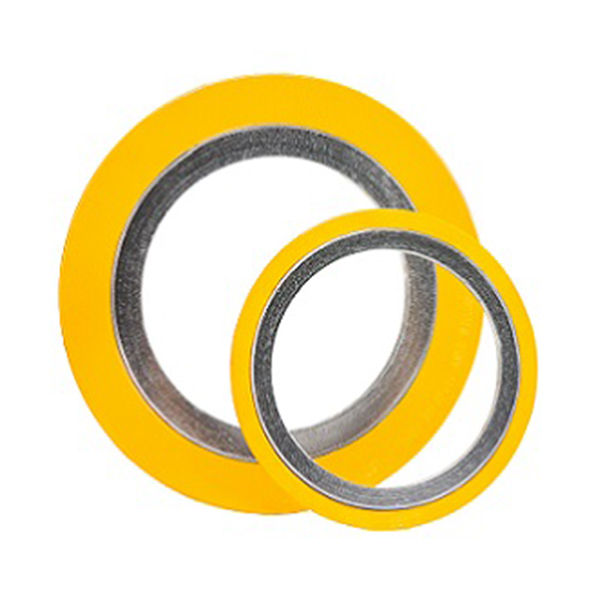
Standard Spiral Wound Gasket
Model:KXT-600
Standard Spiral Wound Gasket is one of the widely used seals, the spiral wound gasket depends on the mechanical characteristics of a formed metal strip which works as a spring, offering a better resilience under fluctuated pressure & temperature. They are widely used in the industrial field and fluid sectors.
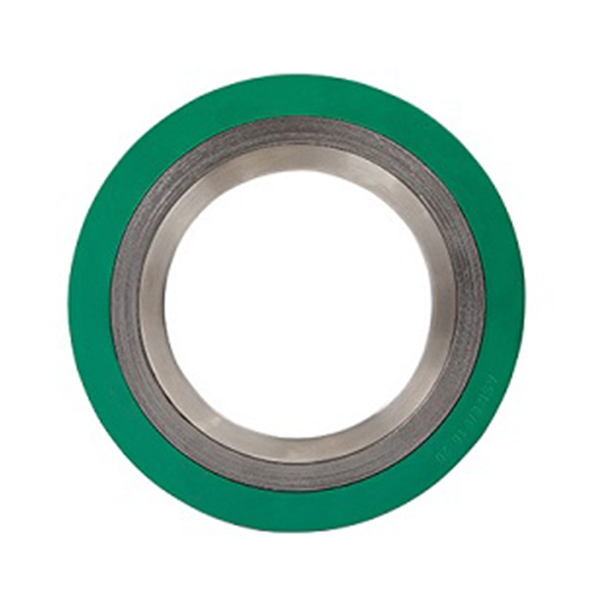
Spiral Wound Gasket with Inner and Outer Ring
Model:KXT 600 CGI
The standard version is the Style CGI spiral wound gasket with inner and outer ring. This gasket has the best sealing characteristics combined with the highest safety for flanged joints with flat face and raised face
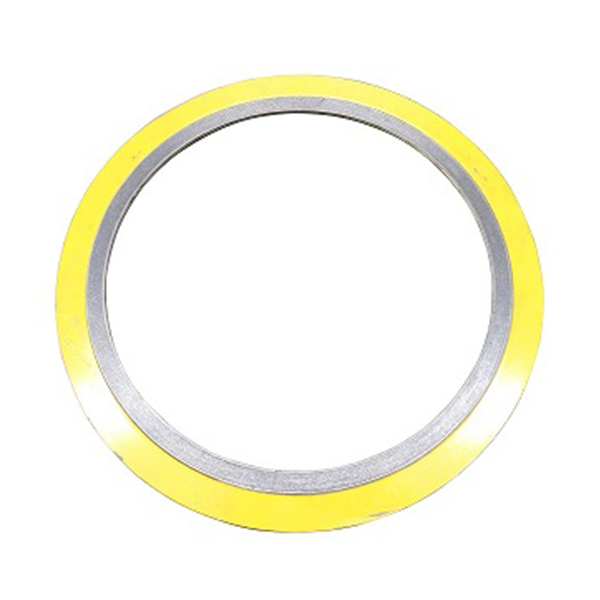
Spiral Wound Gasket with Outer Ring
Model:KXT 600CG
The standard version is the Style CGI Spiral Wound Gasket with Outer Ring with inner and outer ring. This gasket has the best sealing characteristics combined with the highest safety for flanged joints with flat face and raised face
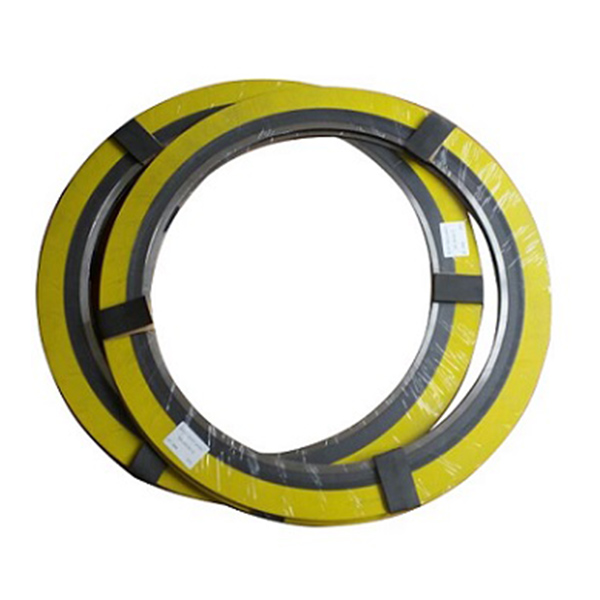
Inner Outer Ring Of SWG
Model:KXT-R640
We Inner Outer Ring Of SWG make different inner and outer rings small than 14 inch.Large sizes also can be.
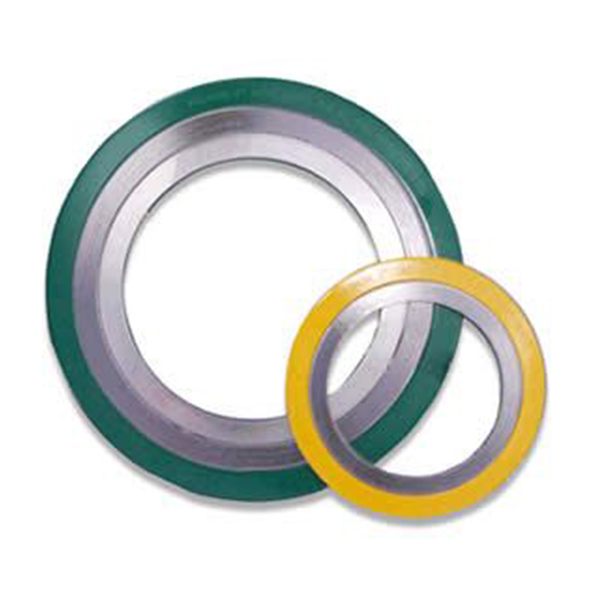
Special Materials Spiral Wound Gaskets
Model:none
Kaxite have special materials to produce Special Materials Spiral Wound Gaskets which have enough stocks and quick delivery.
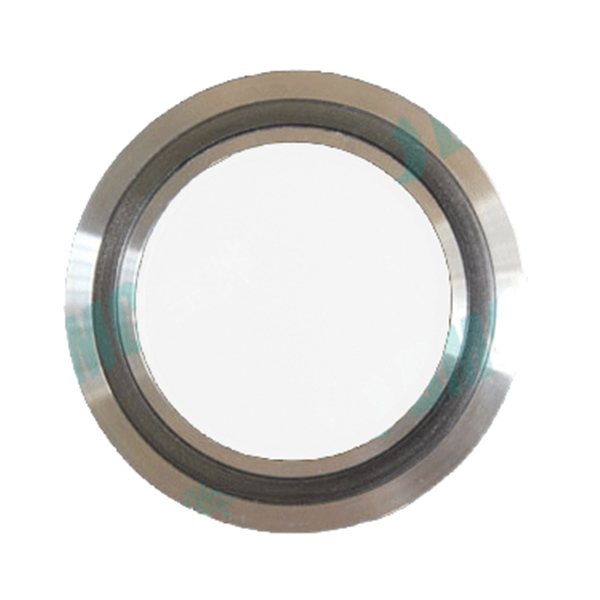
Nuclear Spiral Wound Gasket
Model:KXT-610
Nuclear Spiral Wound Gasket is one of the most innovative and creative gaskets. Our idea of creative design conforms to occasions which with sudden change of temperature and fluctuation pressure.
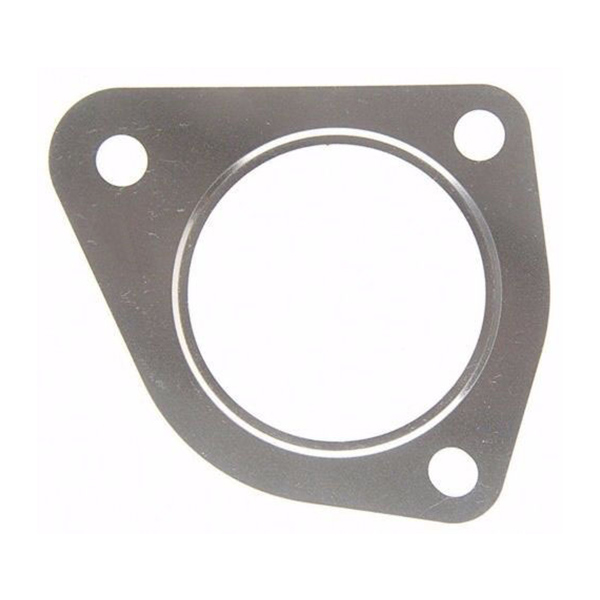
Exhaust Spiral Wound Gaskets
Model:KXT600-EX
Automotive exhaust applications;Spiral wound type of the Exhaust Spiral Wound Gaskets;Excellent sealing performance;Insteand of expanded graphite gaskets with long using life.
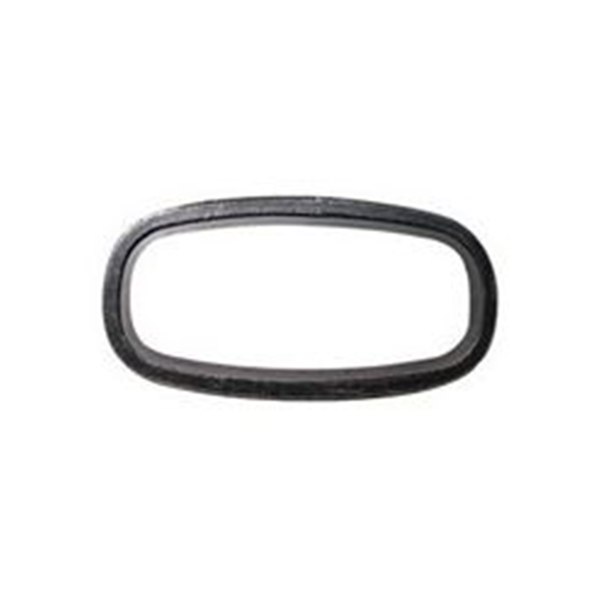
Non-rounded Spiral wound Gaskets
Model:KXT-630
Non-rounded Spiral wound Gaskets for Boilers handholes and manholes.There are oval style and oblong style you can have.
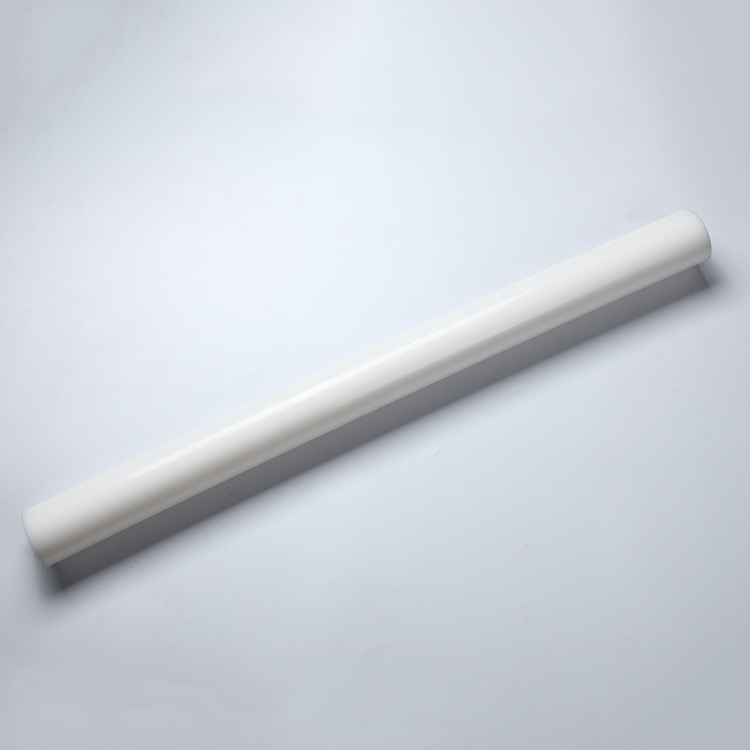
HDPE Rod
Model:KXT-920HD
HDPE Rod has excellent temperature resistance, good chemical stability, can withstand the erosion of most acids and alkalis (it is not resistant to acid and has oxidation), insoluble in common solvents at room temperature, low water absorption, excellent electrical insulation performance; low density; toughness Good, has good tensile properties; good electrical and dielectric insulation; low water absorption; low moisture permeability; good chemical stability; tensile properties.
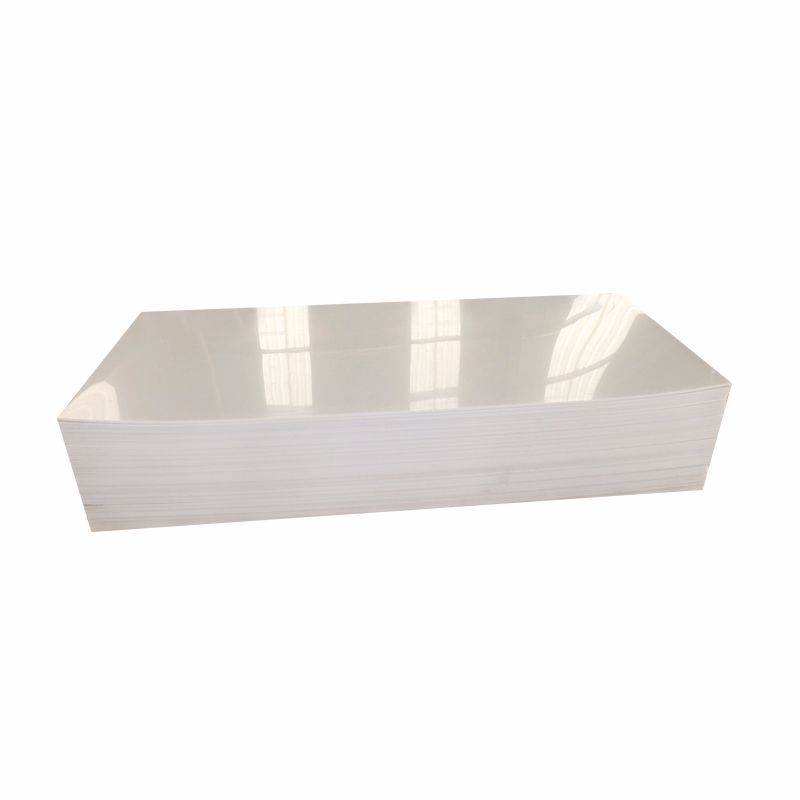
UHMWPE Sheet
Model:KXT-900HD
Ultra-high molecular weight polyethylenerefers to linear structure polyethylene with a molecular weight of more than 3 million.
UHMWPE Sheet It is an engineering plastic with excellent comprehensive properties. Its ability to withstand wear, impact, corrosion and self-lubrication, and the ability to absorb impact are these five properties that are currently available. The supremacy of plastics is known in the world as the UHMWPE Sheet"amazing material".
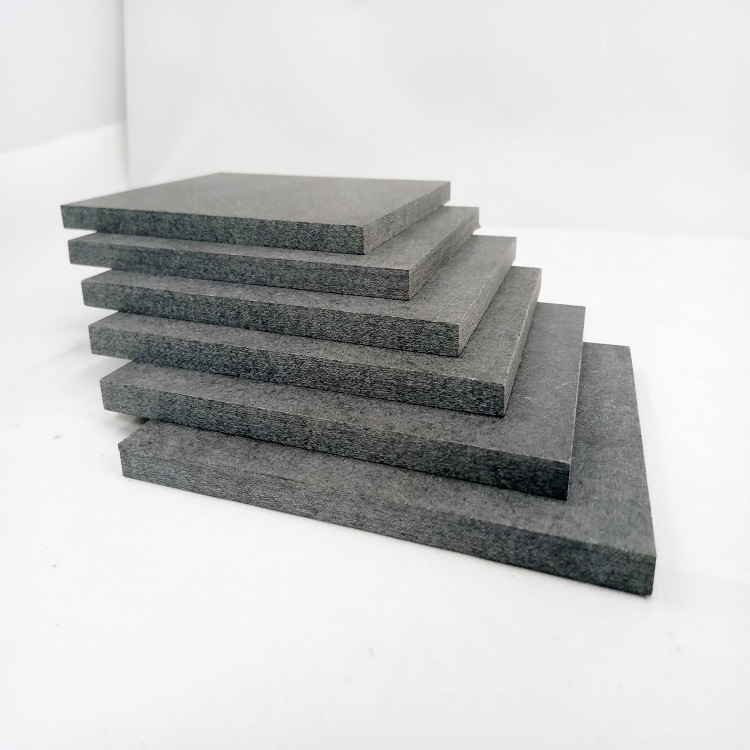
High Temperature Resistant Synthetic Stone
Model:KXT 800 HS
High Temperature Resistant Synthetic Stone is made of fiberglass and epoxy resin composites. It has good dimensional stability, corrosion resistance, low thermal conductivity, antistatic property, and non-flammability in the high temperature environment of 260-350°C. Suitable for solder protection in SMT wave soldering process. Easy to use, no broken, no delamination, no burrs, no irritation to the human body, can be customized according to drawings, easy to quickly process in CNC machine tools without damaging the tool.
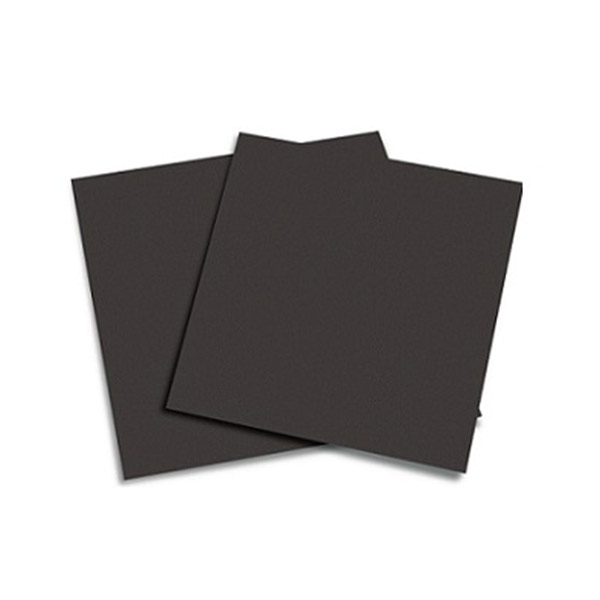
Flexible Graphite Sheet
Model:KXT B201
Kaxite Flexible graphite sheet and rolls is made from high purity graphite, it is used can be expanded graphite particles formed by the high temperature expansion of repression, it retains the high temperature crystalline flake graphite, corrosion resistant, self lubricating, etc.
Get a Quote
Send Inquiry
News
Our Latest Article


2025-12-11
Exploring the safety of vegetable fiber packaging in direct food contact and its suitability for sensitive products.
read more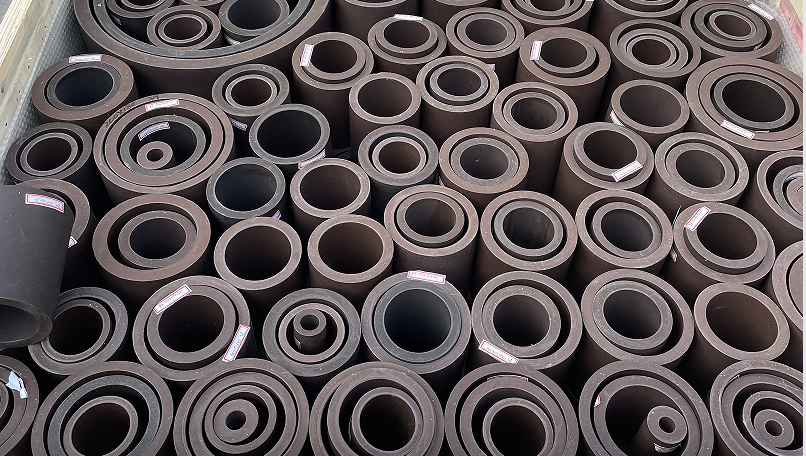
2025-03-22
Recently, a PTFE rod material containing 40% Bronze powder has attracted widespread attention in the industrial field. This new composite material combines the excellent conductivity of copper with the corrosion resistance and high temperature resistance of PTFE materials, bringing innovative solutions to multiple industries.
read more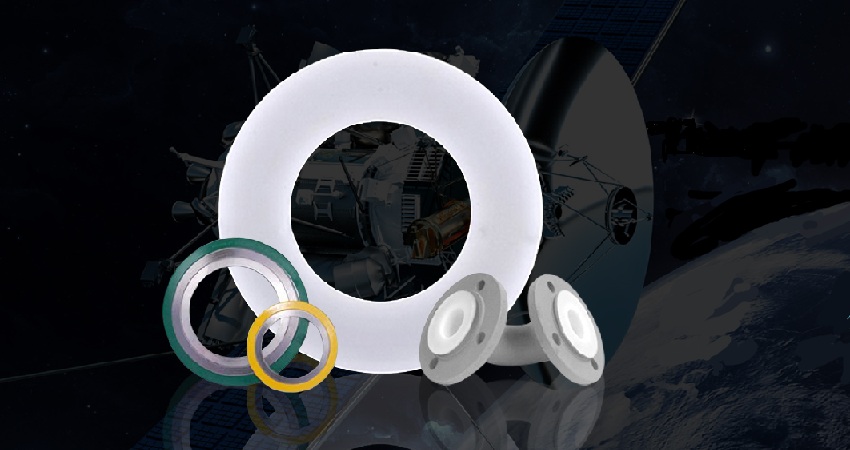
2022-10-11
Graphite Gasket Flat gasket made of soft graphite, suitable for high temperature and strong corrosive media. Metal gasket There are three main types: 1. Octagonal and oval pads - suitable for trapezoidal groove flange sealing surfaces. 2. The tooth form is a bevel-shaped corrugation machined on the sealing surface of the metal flat gasket - suitable for the concave-convex flange sealing surface. 3. The lens gasket is suitable for the sealing surface of the lens flange, and the metal gasket is made of pure iron, extremely mild steel, stainless steel, aluminum and other materials.
read more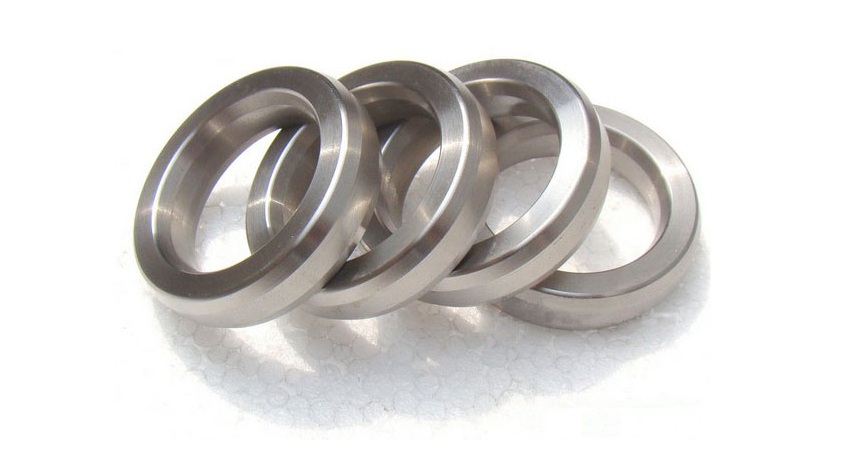
2022-08-30
The octagonal metal ring gasket is installed in the trapezoidal ring groove on the flange surface. When the connecting bolt is tightened, it is axially tightened and the upper and lower trapezoidal grooves are tightened, resulting in plastic deformation, forming an annular sealing belt and establishing an initial seal. After boosting under the action of medium pressure, the ring gasket radially expands. The gasket and the inclined surface of the trapezoidal groove are more tightly attached, resulting in a self-tightening effect.
read more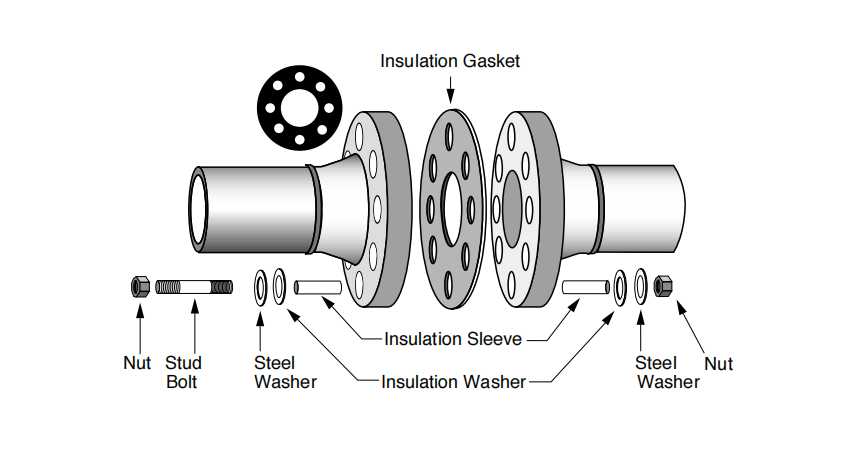
2022-06-14
Flange insulation group is one of the most common, effective and important connection forms in petrochemical plants, natural gas plants, offshore oil projects, etc. Various pipelines, pipe fittings, valves, instruments and equipment, flange insulation groups have unique performance and advantages. Use insulation kit seals on flanges to protect your pipes from the risk of leakage, sealing is achieved by the fit of flanges, insulating washers, bushings, washers, washers, bolts and nuts. Flange junction is connected and sealed to prevent medium leakage at the flange junction, as well as anti-corrosion and conductive insulation Protect.
read more2026-03-05
Spiral wound gaskets are versatile sealing components commonly used in high-pressure and high-temperature applications, such as in flange connections within the oil and gas, chemical, and power generation industries.
read more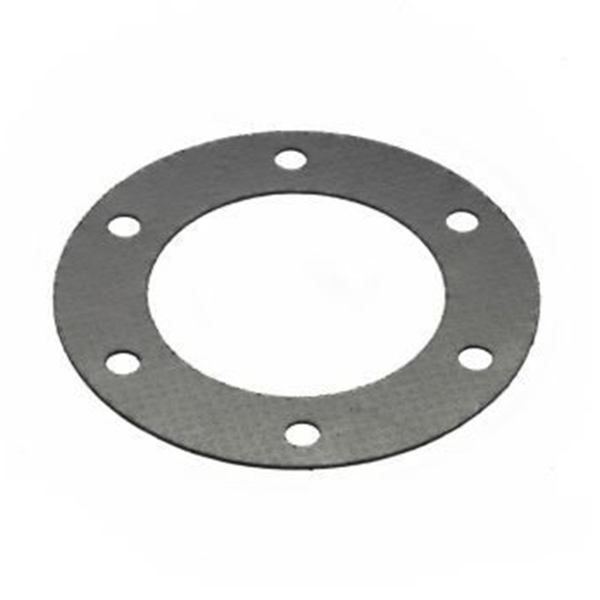
2026-03-04
Expanded graphite gaskets offer high-temperature resistance, typically withstanding a continuous range from -200°C to over 3000°C in non-oxidizing atmospheres, depending on the specific grade and application conditions.
read more
2026-02-25
Ring Joint Gaskets are typically made from soft iron, low-carbon steel, stainless steel, and various alloys to ensure a high-integrity seal in demanding applications.
read more
2026-02-24
Corrugated gaskets with filler materials are sealing components used in high-pressure and high-temperature applications, such as heat exchangers, boilers, and pressure vessels, to prevent leaks and ensure tight, reliable seals.
read more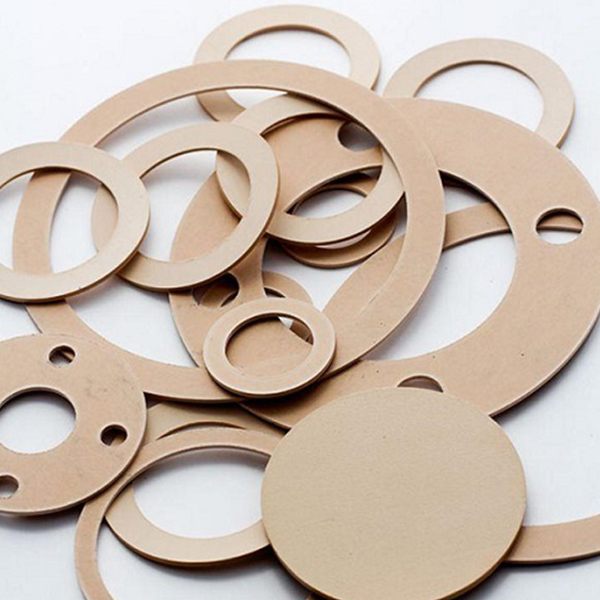
2026-02-17
Explore key factors for selecting top-rated PTFE gasket suppliers and tips for identifying quality products.
read more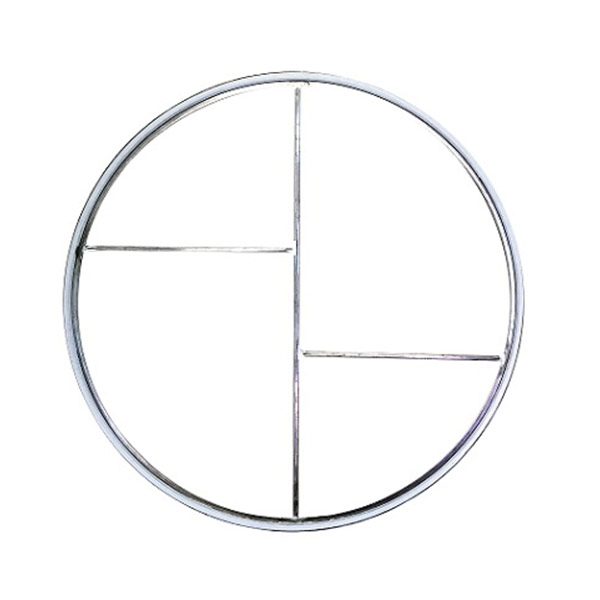
2026-02-16
Double jacket gaskets are designed for high-pressure and high-temperature applications, featuring robust construction with metal jackets for enhanced sealing performance.
read more